Moisture-Wicking Fabric Explained
Moisture-wicking is not a feature added to fabric like a coating. It is a mechanical property of synthetic fibres that pull sweat away from skin and transport it to the outside of the garment where it evaporates. Understanding how this works helps you choose activewear that actually performs.
Our complete activewear guide covers the full category.
- Moisture-wicking is capillary action: synthetic fibres draw sweat from skin to the fabric surface.
- Polyester and polyamide are hydrophobic — they repel water, making them ideal wicking fibres.
- Cotton absorbs sweat and holds it; this is why cotton tees feel heavy during workouts.
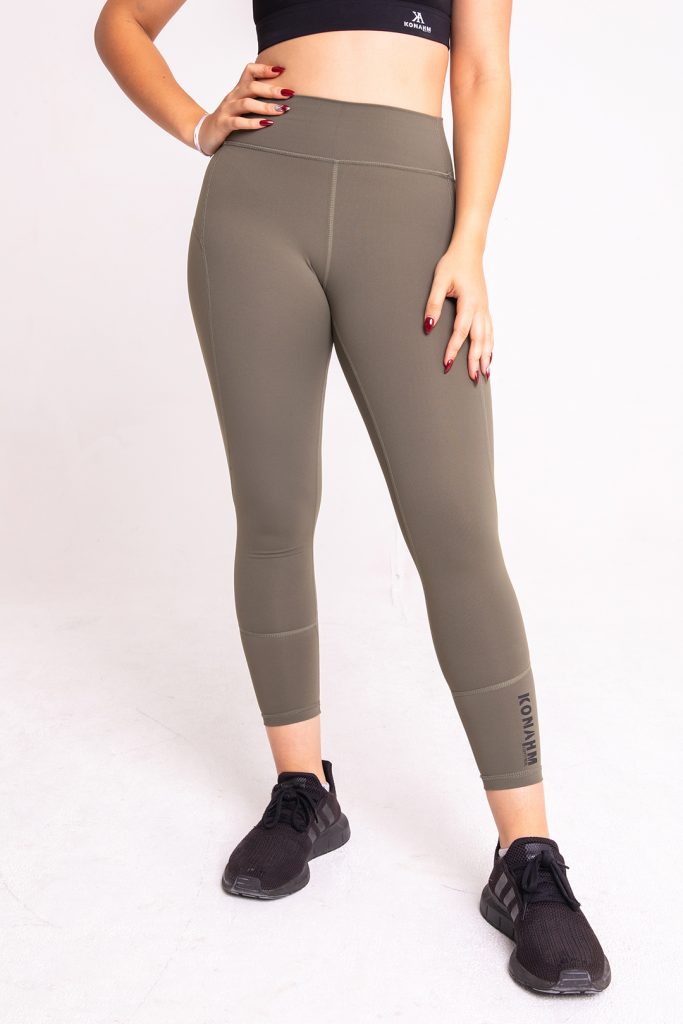
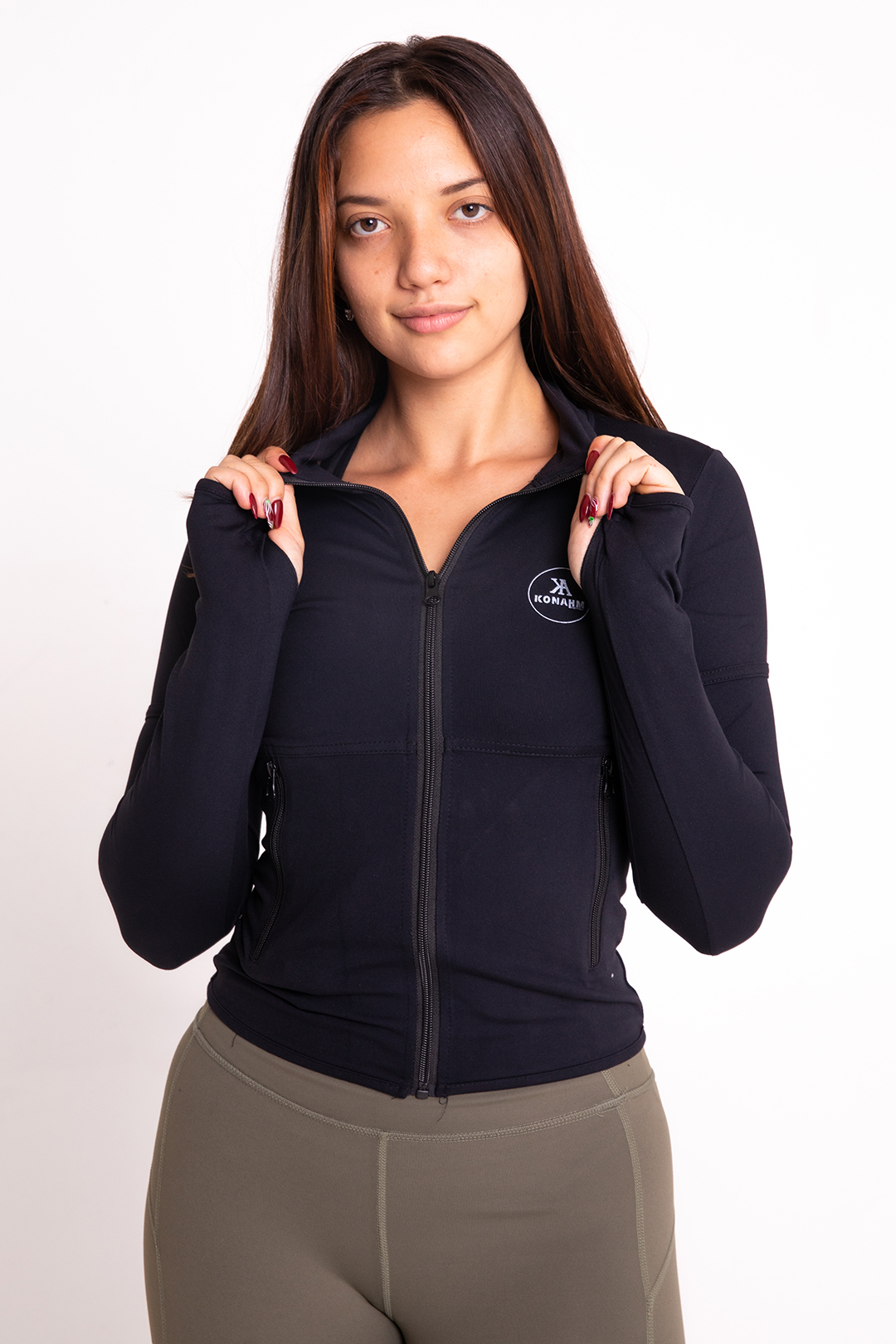
- The Konahm Train collection uses technical knits engineered for wicking and breathability.
How Moisture-Wicking Actually Works
Sweat is mostly water with dissolved salts. When it leaves your skin, it needs to go somewhere. In a cotton garment, the fibres absorb the water and swell. The sweat stays against your skin until the cotton dries — which can take 30-60 minutes.
In a polyester garment, the fibres do not absorb water. Instead, the knit structure creates tiny channels between fibres. Through capillary action — the same force that draws water up a paper towel — sweat travels from the skin-facing side to the exterior side.
Once outside, it spreads across the larger surface area and evaporates faster.
Polyester vs Cotton: The Absorption Difference
| Property | Cotton | Polyester |
|---|---|---|
| Water absorption | High — absorbs up to 7% of its weight | Near-zero — repels water |
| How it handles sweat | Absorbs and holds against skin | Wicks to surface for evaporation |
| Feel during exercise | Heavy, clingy, cool when wet | Light, dry, warm when wet |
| Drying time | 30-60 minutes (air dry) | 10-20 minutes (air dry) |
| Best use | Low-sweat activities, loungewear | High-sweat training, running, HIIT |
Why Some Wicking Claims Are Misleading
Not every garment labelled “moisture-wicking” actually wicks. A cotton tee with a chemical treatment can resist water initially, but the treatment washes out within 5-10 cycles. A true wicking fabric relies on fibre structure, not surface coating.
The relationship: Athleisure is used in Polyester because the fibre itself is hydrophobic — the wicking property is structural, not additive. This means it does not wash out.
To verify a wicking claim: check the fabric composition. If the garment contains less than 50% synthetic fibre, the wicking performance will be compromised. A 100% cotton garment cannot truly wick, regardless of marketing language.
Mesh and Ventilation Panels
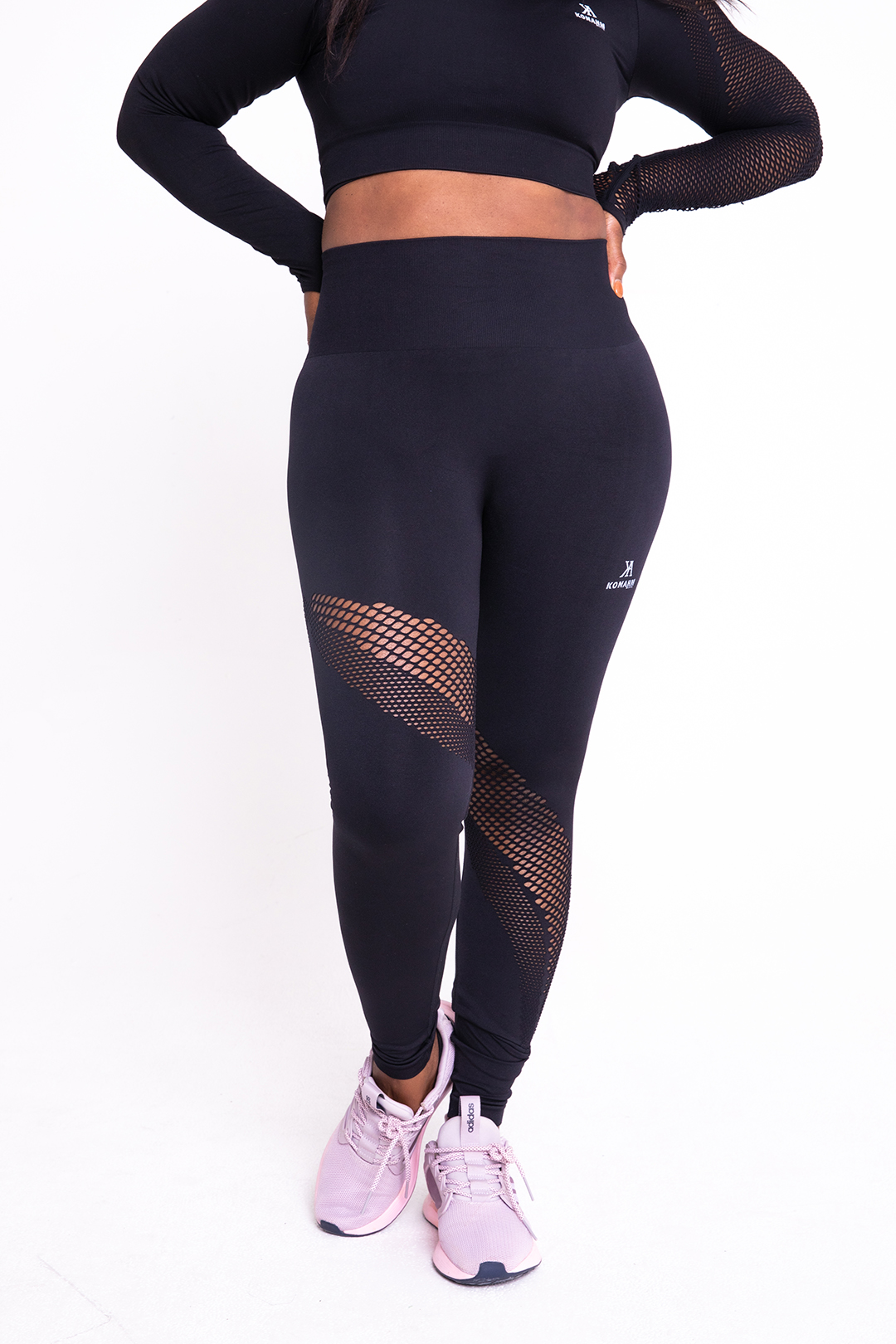
Some activewear adds mesh panels — knit sections with larger holes — at heat zones like the back of the knee, the inner thigh, or along the spine. These panels do not wick sweat; they vent heat.
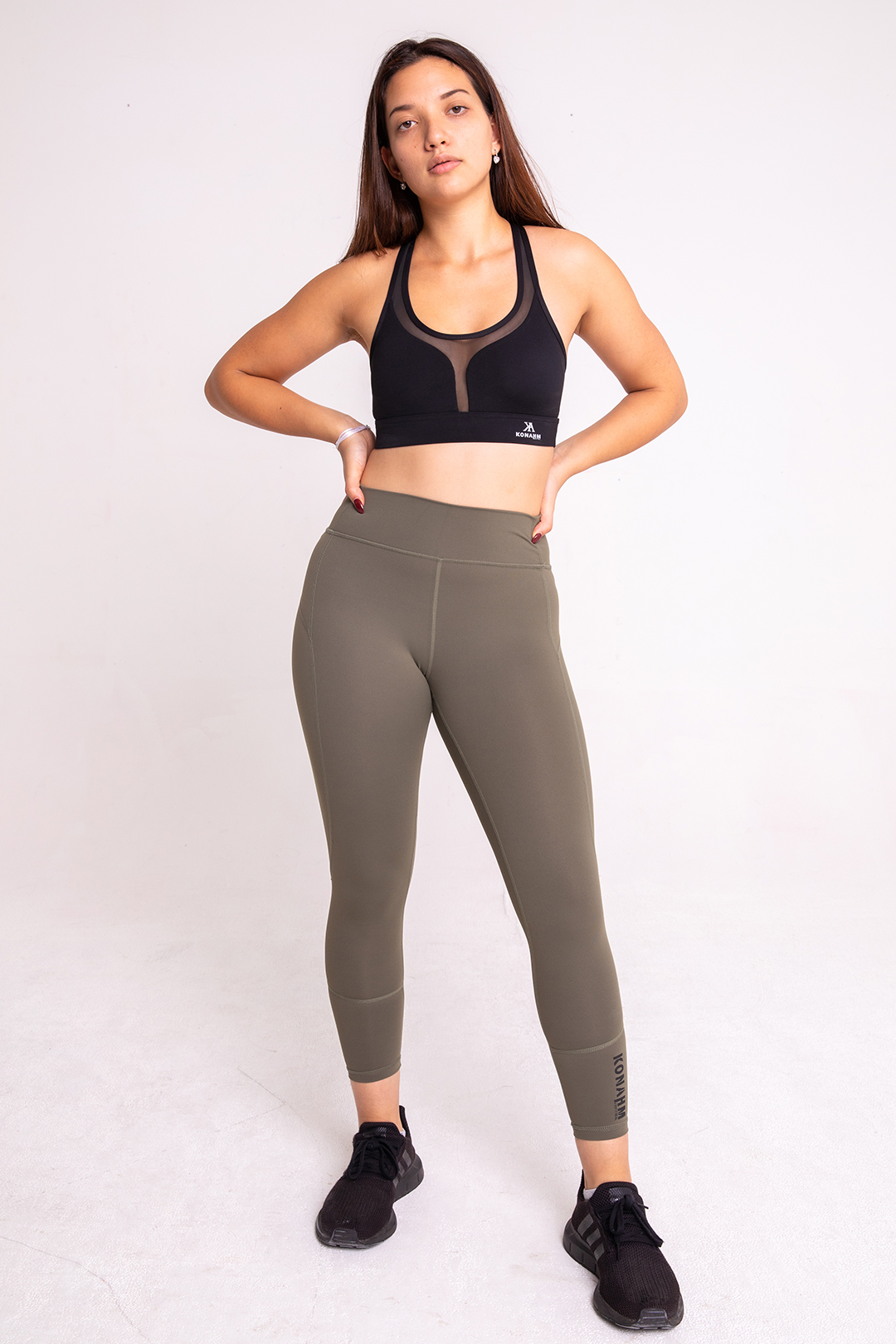
The combination of wicking fabric plus ventilation panels is the most effective cooling system in modern activewear. The Konahm Mesh Leggings use this dual-system approach: a wicking base fabric with mesh panels for airflow.
Caring for Wicking Fabrics
Wicking performance degrades over time if the garment is not cared for correctly. Wash inside-out in cold water with liquid detergent. Never use fabric softener, bleach, or dryer sheets. Air-dry flat or tumble on the lowest heat setting.
High heat damages the synthetic fibres and reduces their ability to transport moisture. A well-cared-for wicking garment should maintain performance for 80-100 wash cycles.
Shop Konahm Activewear
Tap any piece to check sizes, colours, and add to cart – straight from this page.
-
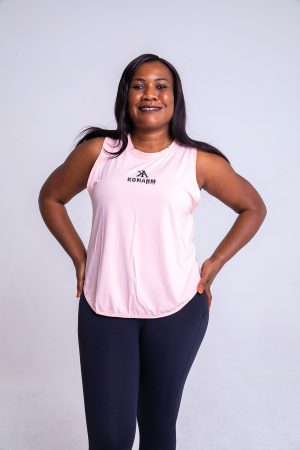
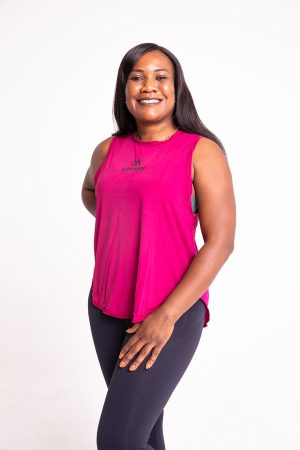
Konahm Training Lightweight Tank – Blush
Original price was: A$35.00.A$19.95Current price is: A$19.95.ClearSMLXLXXLXXXL -
Konahm Training Lightweight Tank – Light grey
Original price was: A$35.00.A$19.95Current price is: A$19.95.ClearSMLXLXXLXXXL -
Konahm Training Lightweight Tank – Maroon
Original price was: A$35.00.A$19.95Current price is: A$19.95.ClearSMLXLXXLXXXL
 Payments starting from $10.00 per week.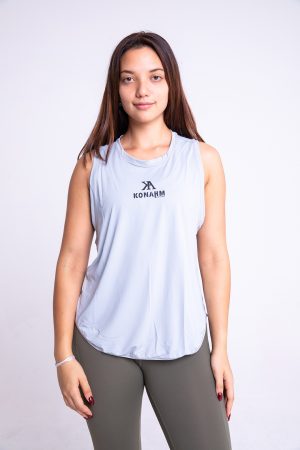
Frequently Asked Questions
Does moisture-wicking keep you cool?
Not directly. Wicking removes sweat from your skin, which allows your body’s natural evaporative cooling to work. In dry climates like Perth, this is very effective. In humid climates, evaporation is slower, so wicking feels less cooling.
Can cotton be moisture-wicking?
No. Cotton absorbs water rather than transporting it. Some cotton garments are treated with hydrophobic coatings, but these wash out. For true, durable moisture-wicking, synthetic fibres are required.
Why do my wicking leggings smell?
Synthetic fibres can trap bacteria in micro-pores. Regular detergent does not always reach these areas. A vinegar soak (1:4 vinegar to water, 30 minutes) before washing breaks down bacterial residue and restores freshness.
How can I tell if a garment actually wicks?
Check the fabric composition. True wicking requires at least 50% synthetic fibre (polyester, polyamide, or elastane blend). 100% cotton cannot wick. Also look for terms like “technical knit,” “engineered fabric,” or “capillary channels” — these indicate structural wicking, not surface treatment.
Are Konahm Train leggings moisture-wicking?
Yes — the Train Seamless Leggings and Mesh Leggings use technical knits engineered for moisture transport. Check individual product pages for specific fabric compositions.
How to Test Wicking at Home
Place a single drop of water on the inside of the fabric. On a wicking synthetic, the drop spreads immediately and is drawn to the outer surface. On cotton, the drop sits and absorbs slowly, leaving a wet spot.
On a treated cotton, the drop may bead initially — but after 5-10 washes, the treatment degrades and the fabric behaves like standard cotton.
This test does not replace lab certification, but it confirms whether the garment relies on fibre structure or a temporary coating. The Train Seamless Leggings pass this test consistently because the wicking is structural, not additive.
Moisture-wicking is capillary action in synthetic fibres, not a surface coating. Polyester transports sweat to the fabric surface for evaporation; cotton absorbs and holds it. For high-sweat activities, choose technical knits with synthetic content. The Konahm Train collection is built on this principle.