How to Size a Kids Tracksuit: Age & Fit Guide
Quick Answer: Size a kids tracksuit by chest, waist, and inside-leg measurements, not by age labels. A proper fit has a 2-3 cm gap between the child’s chest and the hoodie, a waistband that sits flat without rolling, and joggers that end at the ankle bone. Buy one size up for growth room, but no more than 5 cm extra in sleeve or leg length.
How to Size a Kids Tracksuit: Age & Fit Guide
Age labels on kids clothing are a rough guess at best. A six-year-old can have the proportions of a four-year-old or an eight-year-old depending on genetics, diet, and activity level. Sizing a tracksuit by measurement rather than age is the only way to get a fit that lasts and feels comfortable. This guide gives the exact measurements, fit checks, and buying rules for toddlers through to early teens.
Why Age Labels Fail for Kids Tracksuits
Manufacturers use age ranges as a marketing shortcut. “Size 6” assumes an average-height child of six years old with standard proportions. In reality, children vary enormously:
- Height variance: A tall five-year-old and a short seven-year-old can wear the same size.
- Torso length: Some children have long bodies and short legs. Others have short torsos and long limbs. A tracksuit sized by age alone will fit one dimension and fail the other.
- Weight distribution: A child in the 90th percentile for weight needs a larger waistband but may not need longer sleeves. Age labels cannot account for this.
- Brand inconsistency: A “Size 8” in one brand is a “Size 6” in another. There is no universal kids sizing standard in Australia.
Key Takeaway: A kids tracksuit is sized by three measurements (chest, waist, inside leg) and one fit principle (2-3 cm ease). Age is irrelevant once you have a tape measure.
The Three Measurements That Matter
All you need is a soft tape measure and a cooperative child. Measure over light clothing (a t-shirt and shorts), not over a bulky jumper or jeans.
Chest Measurement
Wrap the tape measure around the widest part of the chest, at nipple height. The child should stand naturally with arms relaxed. Do not pull the tape tight. The measurement is the point where the tape overlaps.
Fit rule: The tracksuit hoodie chest measurement should be 2-3 cm larger than the child’s chest. This is called “ease.” Less than 2 cm restricts arm movement and makes the garment hard to pull on. More than 5 cm creates a baggy silhouette that looks sloppy and creates trip hazards.
Waist Measurement
Measure around the natural waistline, which is the narrowest part of the torso, typically just above the belly button. For children who carry weight around the middle, measure at the point where the joggers will sit rather than the anatomical waist.
Fit rule: The jogger waistband (unstretched) should measure 2-4 cm smaller than the child’s waist. The elastic provides the tension to hold the joggers up. If the unstretched waistband is equal to or larger than the child’s waist, the joggers will slip.
Inside Leg Measurement
Measure from the crotch to the ankle bone along the inside of the leg. This determines jogger length, not overall height. A child with a long torso and short legs needs a shorter inside leg than a child of the same overall height with long legs.
Fit rule: The jogger inside leg should be equal to the child’s inside leg plus 1-2 cm for cuff coverage. Cuffed joggers can afford a slightly shorter length because the ribbing grips the ankle. Straight-leg joggers need exact length or they drag under the heel.
| Measurement | How to Measure | Target Fit |
|---|---|---|
| Chest | Around widest part, arms relaxed | Tracksuit chest = child chest + 2-3 cm |
| Waist | Narrowest point above belly button | Unstretched waistband = child waist – 2-4 cm |
| Inside leg | Crotch to ankle bone | Jogger length = inside leg + 1-2 cm |
Growth Room: How Much to Size Up
Parents instinctively buy larger so the child can “grow into it.” This is sensible up to a point. Excess growth room creates problems:
- Sleeves past the fingertips interfere with writing, drawing, and eating.
- Pant legs that bunch at the ankle create a trip risk on stairs and during running.
- A hoodie that hangs past the hips changes the silhouette from streetwear to sloppy and can restrict leg movement.
The safe growth allowance: size up by one full size (typically 5-7 cm in chest and sleeve length) for children under 8 who are growing fast. For children 8 and older, buy true to size because growth slows and a tracksuit that is too large will be rejected before it fits.
Pro Tip: For a child between sizes, buy the larger size and have the cuffs and waistband professionally tailored down by a local alteration service. The cost is usually under $20 and extends the wear life by a full year.
Age-to-Size Reference: A Starting Point, Not a Rule
Use this table as a first estimate, then measure to confirm. All measurements are in centimetres.
| Age Range | Chest (cm) | Waist (cm) | Inside Leg (cm) | Konahm Size |
|---|---|---|---|---|
| 1-2 years | 50-54 | 48-52 | 28-32 | 2 |
| 3-4 years | 54-58 | 52-56 | 32-38 | 4 |
| 5-6 years | 58-64 | 56-60 | 38-44 | 6 |
| 7-8 years | 64-68 | 60-64 | 44-52 | 8 |
| 9-10 years | 68-74 | 64-68 | 52-58 | 10 |
| 11-12 years | 74-80 | 68-72 | 58-66 | 12 |
These are Australian average ranges sourced from standard children’s clothing size charts. Individual children will vary. Always cross-reference with the measurement rules above.
How to Check the Fit When the Tracksuit Arrives
Online shopping removes the fitting room. Use these quick checks when the tracksuit arrives to decide whether to keep, exchange, or tailor:
- Pull-on test: The child should be able to pull the hoodie on without help and without the hem riding up past the belly button.
- Arm lift test: Raise both arms above the head. The hoodie hem should not lift above the waistband. If it does, the torso is too short.
- Sit test: The child sits on the floor with legs crossed. The joggers should not pull tight at the crotch or ride down at the back.
- Walk test: Walk across the room. The joggers should not drag under the heel or bunch above the shoe.
- Wash prediction: Hold the fabric up to a bright light. If you can see light through the weave, the fabric is too thin for active wear and will wear out in under 20 washes.
Warning: Do not keep a tracksuit that fails the sit test or the walk test, even if the child “likes it.” A poor fit causes discomfort, restricts movement, and creates safety hazards on stairs and playgrounds.
Shop Konahm Kids Tracksuits by Size
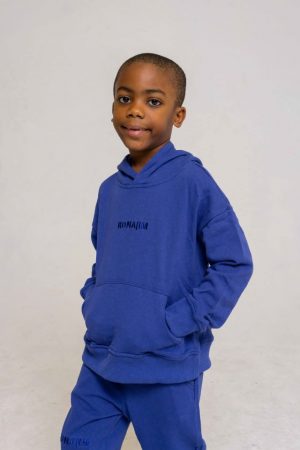
Konahm’s kids tracksuit range is sized by actual garment measurements, not age guesses. Each product page lists the chest, waist, and inside-leg dimensions for the specific size. Use your child’s measurements to select the correct size before ordering.

Browse the full kids collection and check the size guide on each product page. Afterpay is available for orders over $50.
Shop Kids Tracksuits by Colour
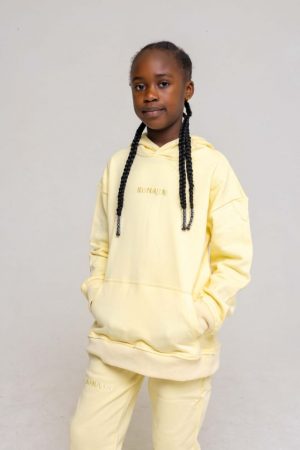
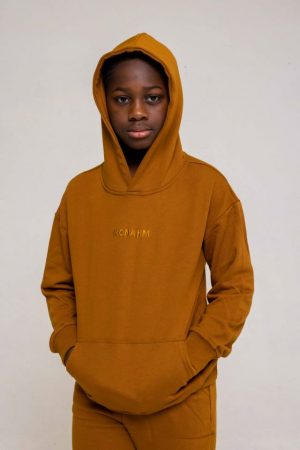
Every DAK kids colourway – check the size guide on each product page.
 Payments starting from $10.00 per week.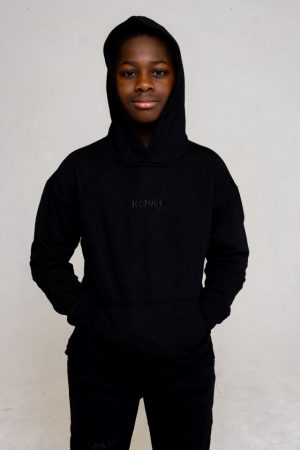
Frequently Asked Questions
What if my child is between two sizes?
Buy the larger size and have the cuffs and waistband taken in by a tailor. Do not buy the smaller size hoping they will grow into it; a tight tracksuit restricts movement and is rejected within weeks.
Should I size up for winter layering?
No. Size for the base fit and add a vest or jacket over the tracksuit for warmth. A larger tracksuit worn as a base layer bunches under outerwear and creates cold spots.
How often do I need to remeasure my child?
For children under 8, remeasure every three months during growth spurts. For children 8 and older, every six months is sufficient unless you notice the cuffs riding up or the waistband rolling.
Are Konahm kids tracksuits true to size?
Konahm tracksuits fit true to the garment measurements listed on each product page. Use the chest, waist, and inside-leg numbers rather than the age label. If in doubt, contact Konahm directly with your child’s measurements for a size recommendation.
Key Takeaway: Size a kids tracksuit by three measurements (chest, waist, inside leg) with 2-3 cm ease. Buy one size up for children under 8, true to size for older kids. Always verify fit with the pull-on, arm-lift, sit, and walk tests before keeping the garment.