
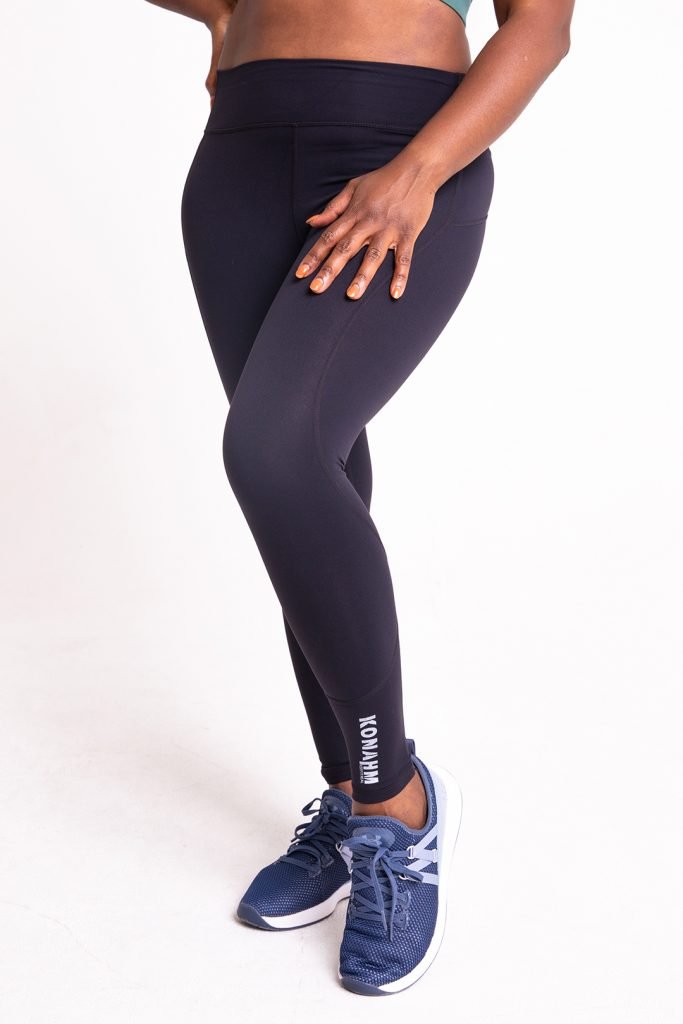
Is Your Activewear Sustainable? OEKO-TEX and Fabric Safety
Activewear sits against your skin for hours at a time, often while your body is heated and your pores are open. This makes fabric safety more important than in outerwear — and it makes sustainability more urgent than in occasional-use garments.
The OEKO-TEX Standard 100 and GOTS certifications exist to answer exactly these concerns. Our complete activewear guide covers performance and styling. This article covers safety and sustainability.
- OEKO-TEX Standard 100 certifies that a fabric contains no harmful chemical residues.
- GOTS certifies organic cotton from farming through processing under fair-labour conditions.
- ISO standards govern manufacturing quality and environmental management.
- Certified activewear costs more but lasts longer and carries lower skin-contact risk.
Why Activewear Fabric Safety Matters
When you exercise, your skin temperature rises, blood flow increases, and pores dilate. This is the worst possible time to expose skin to residual chemicals. Conventional textile manufacturing uses dyes, finishing agents, and softeners that can leave traces of formaldehyde, heavy metals, phthalates, and pesticides in the final fabric.
The relationship: OEKO-TEX certifies Clothing for the absence of these substances. A fabric that passes OEKO-TEX Standard 100 has been tested for over 100 harmful chemicals and found to be below the threshold for skin-contact safety.
OEKO-TEX Standard 100: What It Actually Tests
OEKO-TEX Standard 100 is a global testing and certification system for textiles. It tests for:
- Illegal substances: banned azo colourants, carcinogenic dyes, heavy metals (lead, cadmium, mercury)
- Legally regulated substances: formaldehyde, phthalates, pesticide residues
- Harmful but not yet regulated substances: allergenic dyes, volatile organic compounds
- Substances with health risk: flame retardants, solvents, PFAS
The certification has four product classes. Class I is for baby articles (strictest). Class II is for articles with direct skin contact — this is the class that applies to activewear.
A Class II OEKO-TEX certified fabric is safe to wear against skin for extended periods, including during exercise when pores are open.
GOTS: From Farm to Fabric
The Global Organic Textile Standard (GOTS) is broader than OEKO-TEX. It covers the entire supply chain: organic farming (no synthetic pesticides or GMO seeds), ethical processing (water treatment, waste management), and fair-labour conditions (no child labour, safe working conditions). The relationship: GOTS certifies Cotton for both environmental and social criteria.
A GOTS-certified cotton tee is not just organic — it was produced under conditions that meet international labour standards.
ISO Standards in Textile Manufacturing
The International Organization for Standardization (ISO) publishes standards that govern manufacturing quality and environmental management. ISO 9001 covers quality management systems — does the factory produce consistent, defect-free garments? ISO 14001 covers environmental management — does the factory treat wastewater, manage emissions, and minimise waste?
These are not product certifications; they are facility certifications. A brand that manufactures in ISO-certified facilities is more likely to produce safe, consistent activewear than one that does not disclose its manufacturing standards.
| Certification | What It Covers | Applies To |
|---|---|---|
| OEKO-TEX Standard 100 | Chemical safety, skin-contact safety | Individual fabric/garment |
| GOTS | Organic farming + ethical processing + fair labour | Organic cotton supply chain |
| ISO 9001 | Quality management consistency | Manufacturing facility |
| ISO 14001 | Environmental management | Manufacturing facility |
Fast Fashion vs Sustainable Activewear
Fast-fashion activewear is typically made from virgin polyester derived from petroleum, dyed in high-water processes, and constructed in facilities without certification. The garments are cheap because the environmental and social costs are externalised.
The relationship: Sustainable fashion prevents the harms of fast fashion by choosing certified fibres, ethical manufacturing, and durable construction. A sustainable activewear garment costs 30-50% more upfront but lasts 2-3 times longer because the fabric and stitching are higher quality. The cost per wear is often lower.

How to Verify Claims When Shopping
- Check the product page for certification logos or text. Legitimate brands list their certifications because they paid for the testing. Absence of certification claims usually means absence of certification.
- Look for certification numbers. OEKO-TEX and GOTS both issue unique certification numbers that can be verified on their websites. A brand that lists a number is more credible than one that just displays a logo.
- Check the fabric composition. “Recycled polyester” is more sustainable than virgin polyester. “Organic cotton” is more sustainable than conventional cotton. The material matters as much as the certification.
- Consider the brand’s transparency. Does the brand publish its factory list? Does it disclose its environmental impact? Transparency is a leading indicator of genuine sustainability commitment.
Shop Konahm Activewear
Tap any piece to check sizes, colours, and add to cart – straight from this page.
-
Konahm classic cotton tracksuit – Grey/Black
Original price was: A$139.95.A$104.96Current price is: A$104.96.ClearSMLXLXXLXXXL -
Konahm Train Seamless Legging – Sage
Original price was: A$70.00.A$34.49Current price is: A$34.49.ClearSMLXLXXLXXXL -
Konahm Training Lightweight Tank – Blush
Original price was: A$35.00.A$19.95Current price is: A$19.95.ClearSMLXLXXLXXXL

 Payments starting from $10.00 per week.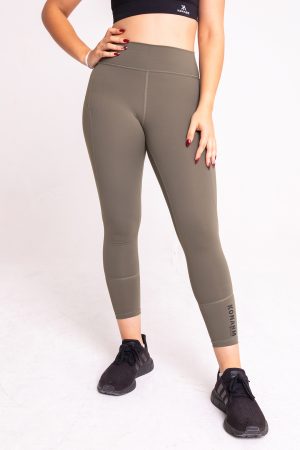

Frequently Asked Questions
Is OEKO-TEX the same as organic?
No. OEKO-TEX tests for chemical safety; it does not certify organic farming. A garment can be OEKO-TEX certified without being organic. GOTS covers both organic farming and chemical safety. For the highest standard, look for GOTS-certified organic cotton that is also OEKO-TEX tested.
Does certified activewear cost more?
Yes — typically 30-50% more upfront. But certified garments usually last longer because the fabric and construction are higher quality. The cost per wear often works out lower than fast-fashion alternatives that need replacing every six months.
Can synthetic activewear be sustainable?
Yes — if it uses recycled polyester (rPET) rather than virgin petroleum-derived polyester. Recycled polyester diverts plastic waste from landfills and reduces the carbon footprint of fibre production by approximately 30-50% compared to virgin polyester.
How do I know if a brand is greenwashing?
Look for specific certifications, not vague language. “Eco-friendly” without a standard reference is greenwashing. “OEKO-TEX Standard 100 certified, Class II” is a verifiable claim. Also check if the brand publishes factory locations and environmental data — transparency is the antidote to greenwashing.
Are Konahm activewear products certified?
Konahm sources quality technical fabrics for the Train collection. For specific certification details per product, check individual product pages in the gym wear range. The brand is committed to durable construction and quality materials as part of its Perth-born ethos.
OEKO-TEX certifies Clothing for chemical safety against skin contact. GOTS certifies Cotton for organic farming and ethical processing. ISO standards govern manufacturing quality.
Sustainable activewear prevents the environmental and social harms of fast fashion — look for specific certifications, not vague marketing language, when you shop the Konahm Train collection .